I have a confession to make. I have been moonlighting. That is, I’ve been writing for some other Paris blogs and websites, and recently, one of them published two walking tours that I created.
Walking tours, whether the group or the self-guided version, are a great way to learn about a city, and creating one is an education in itself. You string together interesting points like beads in a necklace, but you also find out more about the spaces in between.
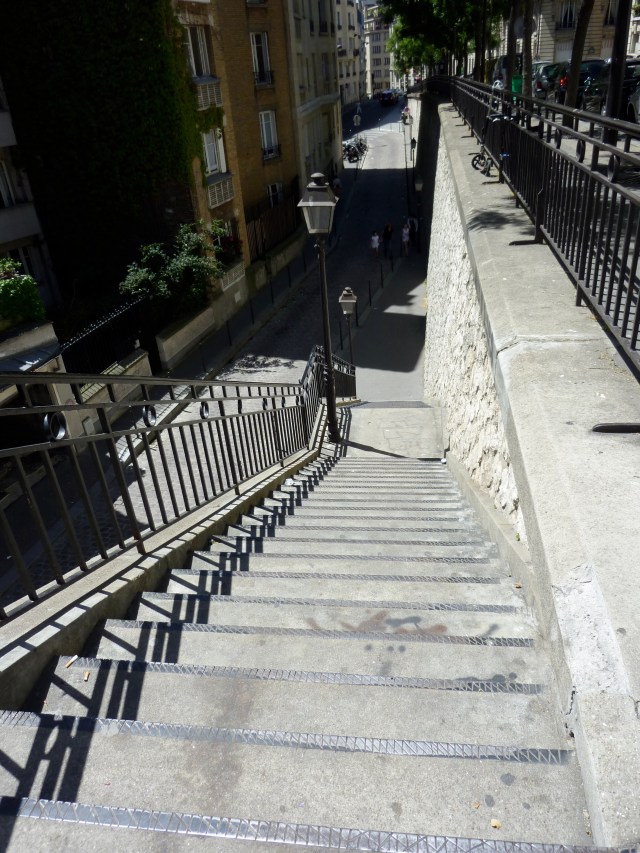
You begin by planning with a map, and end up walking the route, finding even more interesting ways to get from A to B – look, I can cut through this garden or lead people through this arcade, instead of simply following the roads. You note unsuspected views (who knew you could see Sacré Coeur from here?), and telling details (a fountain, a historical plaque, an unusual street sign). You take hundreds of photos, masses of notes, bring it all home, and sort it all out. Start to finish, it took me about eight months from the early planning to the final product.
The two walks are posted on the website Girls’ Guide to Paris. If you follow the link and scroll down to the bottom, you will find them: Shopping with Jackie Kennedy in Paris and Audrey Hepburn in Paris. At the moment, they are available as PDFs that you can download and print. Eventually, we hope to turn them into iPhone apps (I don’t own an iPhone, but, hey, I can learn).

I had written articles about these two women for GG2P (click here for the one about Jackie and here for the one on Audrey), and the walking tours seemed like a natural extension of my research.
The Jackie Kennedy walk crosses the 16th arrondissement. The only things that I have in common with Jackie Kennedy are that we both studied at the Sorbonne and we both lived in the 16th (but unlike her, I was an au pair as well as a student during my stay). She was there in 1949-50; by the time I went to Paris, she was already working for the publisher Doubleday (wait a minute – there’s a third thing we have in common, since I once worked as an editor for Doubleday Canada).
Jackie returned to Paris 11 years after completing her studies in France. At that point, she was the wife of the U.S. President and she entered the city in a grand motorcade with people lining the route and shouting her name. I returned with my husband 15 years after finishing my Sorbonne studies, but we were travelling on a rather more modest scale. Somebody may have waved at us.
I found that there weren’t many walking tours that covered the 16th, and I wanted to include some of my favourite bits. At first, I planned something ludicrously ambitious (it’s a big arrondissement), but eventually scaled it down to focus on the Passy area. I worked out a route that started at the building on the Avenue Mozart where Jackie lived as a student, and wended its way to the Palais de Chaillot, where in 1961 John Kennedy gave that famous speech about being the man who brought Jackie Kennedy to Paris.
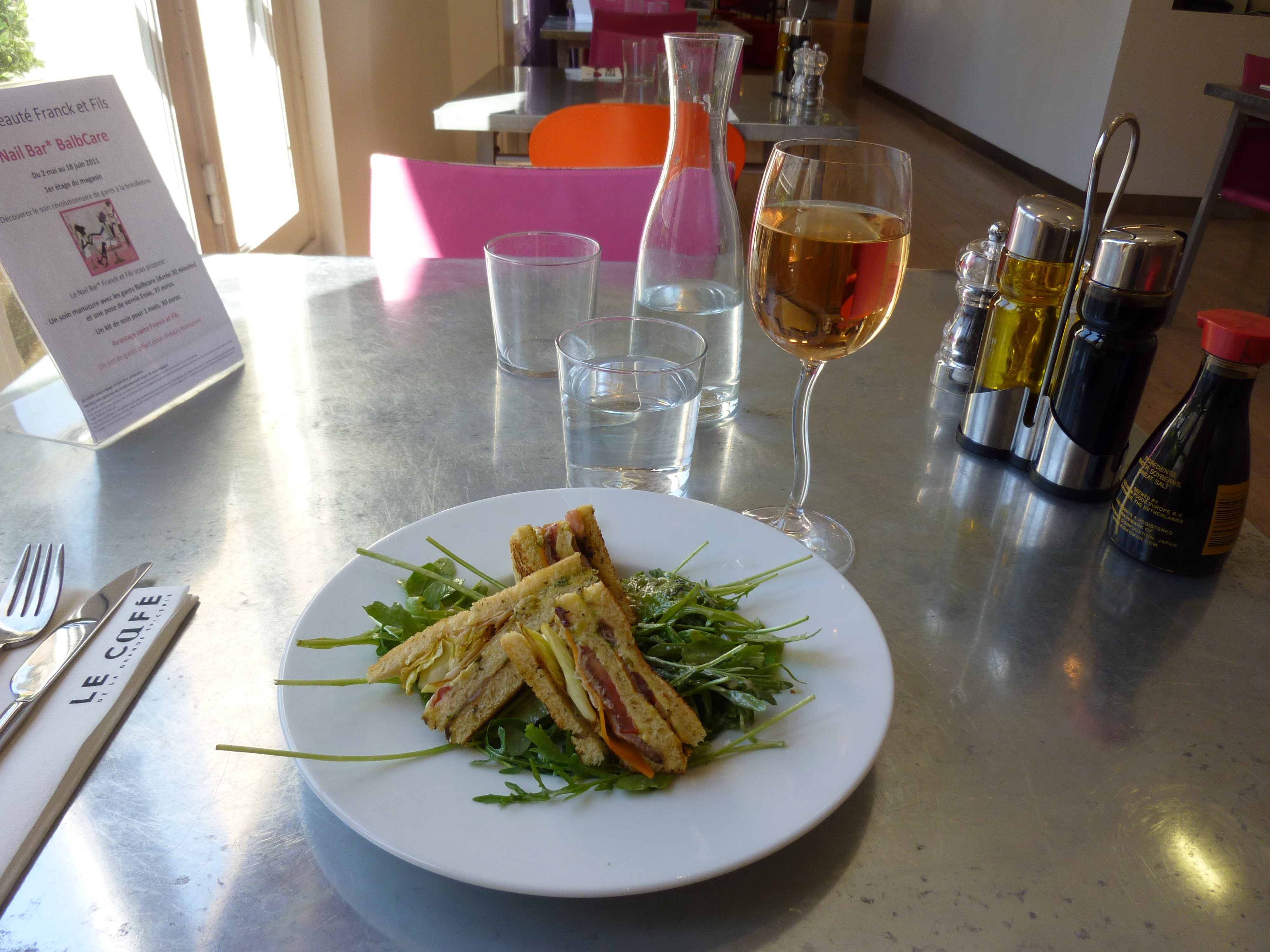
I test-walked the route on a gorgeous day in May. Because Jackie was an extravagant shopper, I included some good shopping streets, and paused for a delightful lunch at Franck et Fils, the department store on rue de Passy.

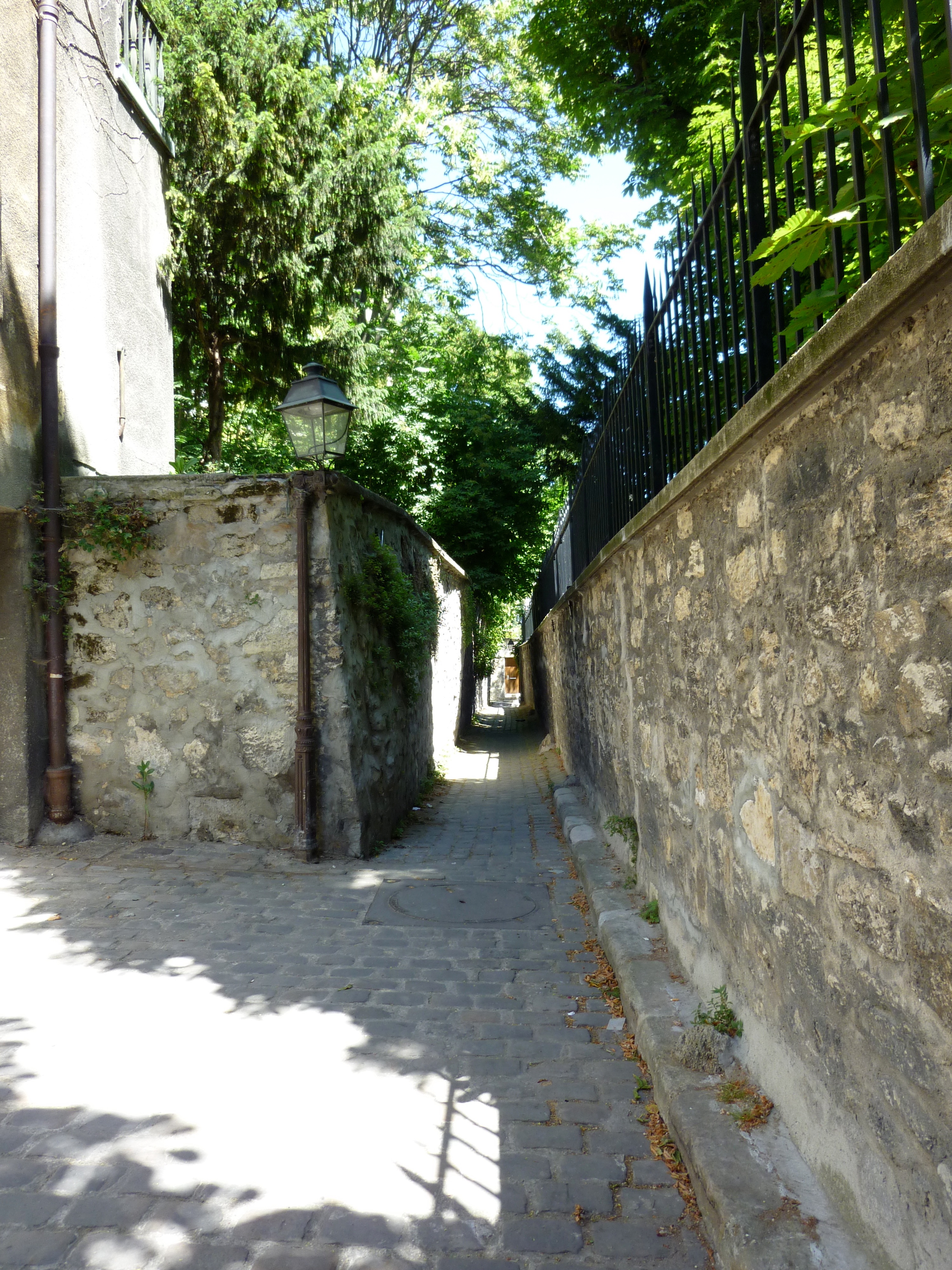
I also included several museums and gardens, a cooking school and a market, and one of my favourite Paris streets, the rue Berton. This is a charming little cobbled alley between the gardens of Balzac’s house and the Turkish Embassy. It is somehow left over from a more countrified version of Passy, when the slopes were covered with big houses and huge gardens cascading down to the Seine.

The Audrey Hepburn walk is quite different, because Audrey Hepburn never lived in the city. And I cannot think of a single thing that she and I have in common (my film career consisted of a brief stint as an extra, and I think the results ended up on the cutting room floor). She starred in five movies shot on location in Paris: Funny Face (1957), Love in the Afternoon (1957), Charade (1963), Paris When it Sizzles (1964), and How to Steal a Million (1966). The first one is amusing if improbable, the second is a bit creepy, the third is one of my all-time favourite Paris movies, the fourth is just silly, and the fifth is a delight from beginning to end (I’ve written about it before).
I was able to identify many of the locations in these films, using biographies of Audrey, online sources, and the informative book Paris Movie Walks by Michael Schürmann. I plotted every location I could identify on a map, and was delighted to find that about a dozen of them could be joined up in a route leading from the Palais Royal in the 1st to the Givenchy headquarters in the 8th. That’s how I originally planned the walk – east to west – but eventually I realized there was more logic in covering the route from west to east.
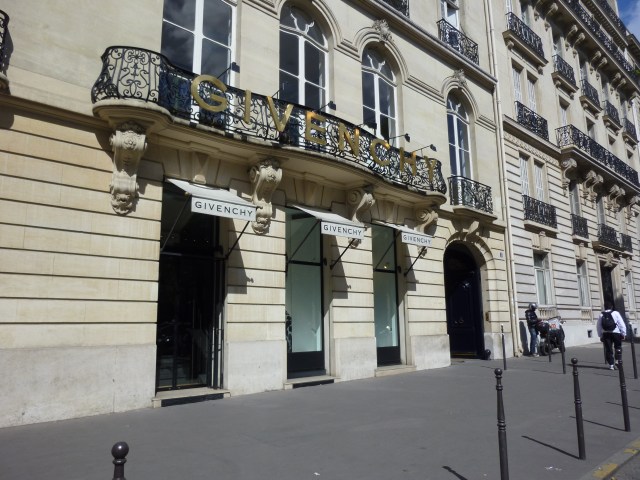
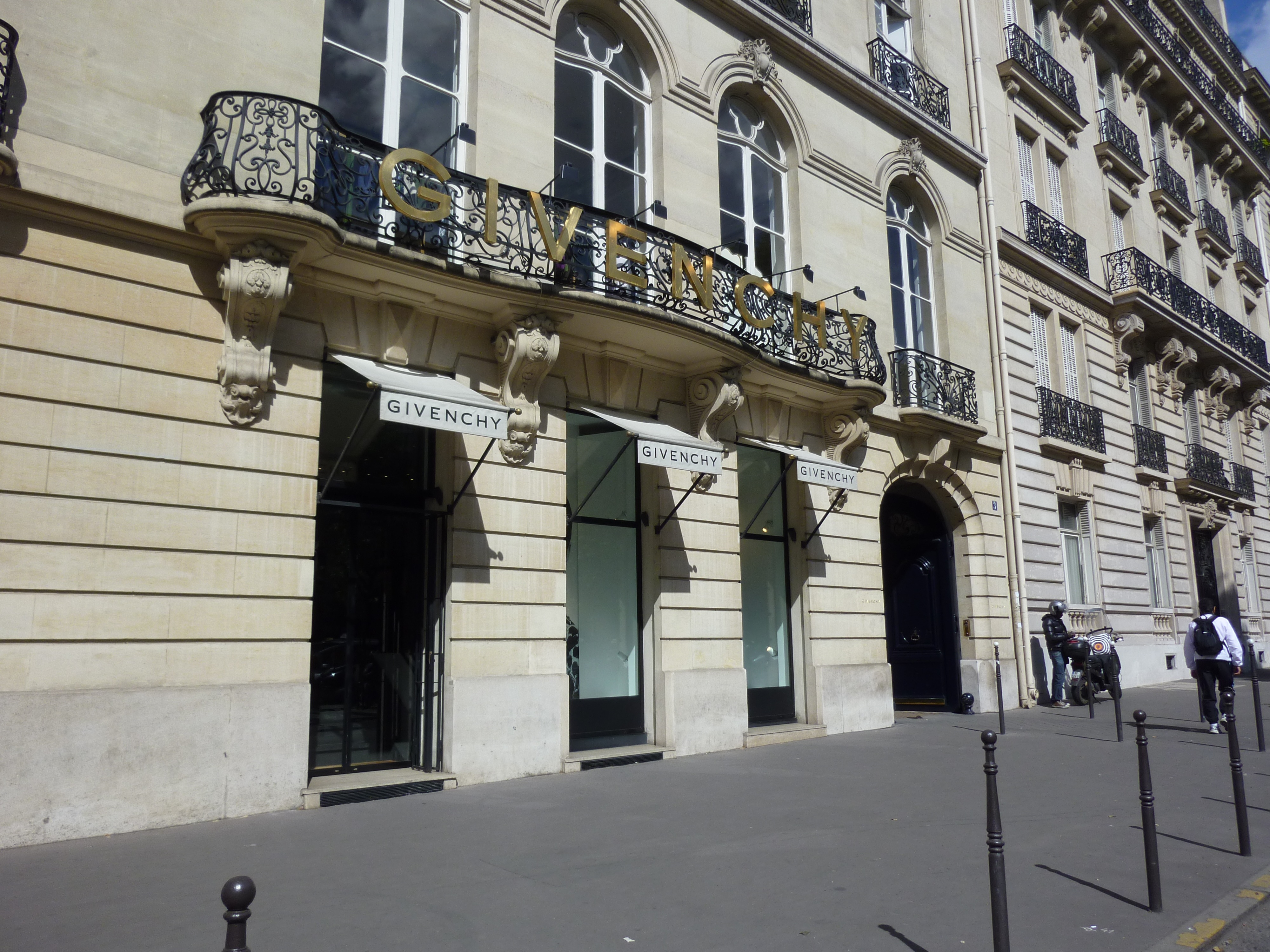
So the route now starts at the building in the 8th where Audrey met Hubert de Givenchy before filming Sabrina (1954). That movie was shot in the United States, but Givenchy was given the job of creating the Paris couture that Audrey’s character wears after her stint at a cooking school in Paris. Here is Hollywood fantasy at its finest – what cooking school graduate would return to her home over a garage in Long Island complete with designer clothing and designer dog?
Before making Sabrina, Audrey Hepburn (who had starred in only one film, Roman Holiday, to that point) went to Paris to meet the couturier. She wasn’t yet very well known, and nobody in the House of Givenchy recognized her. In fact, told to expect a “Miss Hepburn,” Hubert de Givenchy was looking forward to meeting Katherine Hepburn. Despite this unpromising beginning, Hepburn and Givenchy forged a relationship that lasted decades. He is probably best known for the Little Black Dress he created for the film Breakfast at Tiffany’s – in a shop along the route I saw a souvenir of this classic.

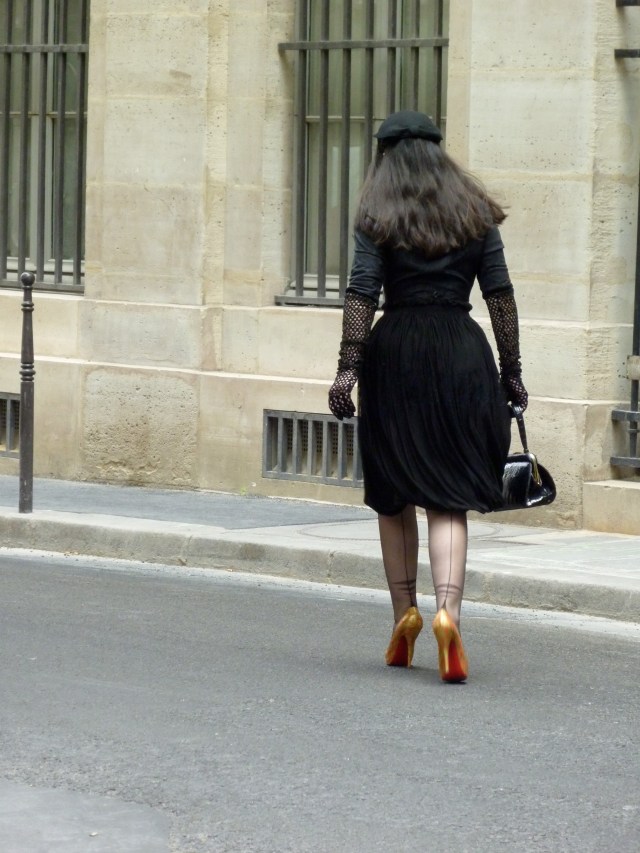
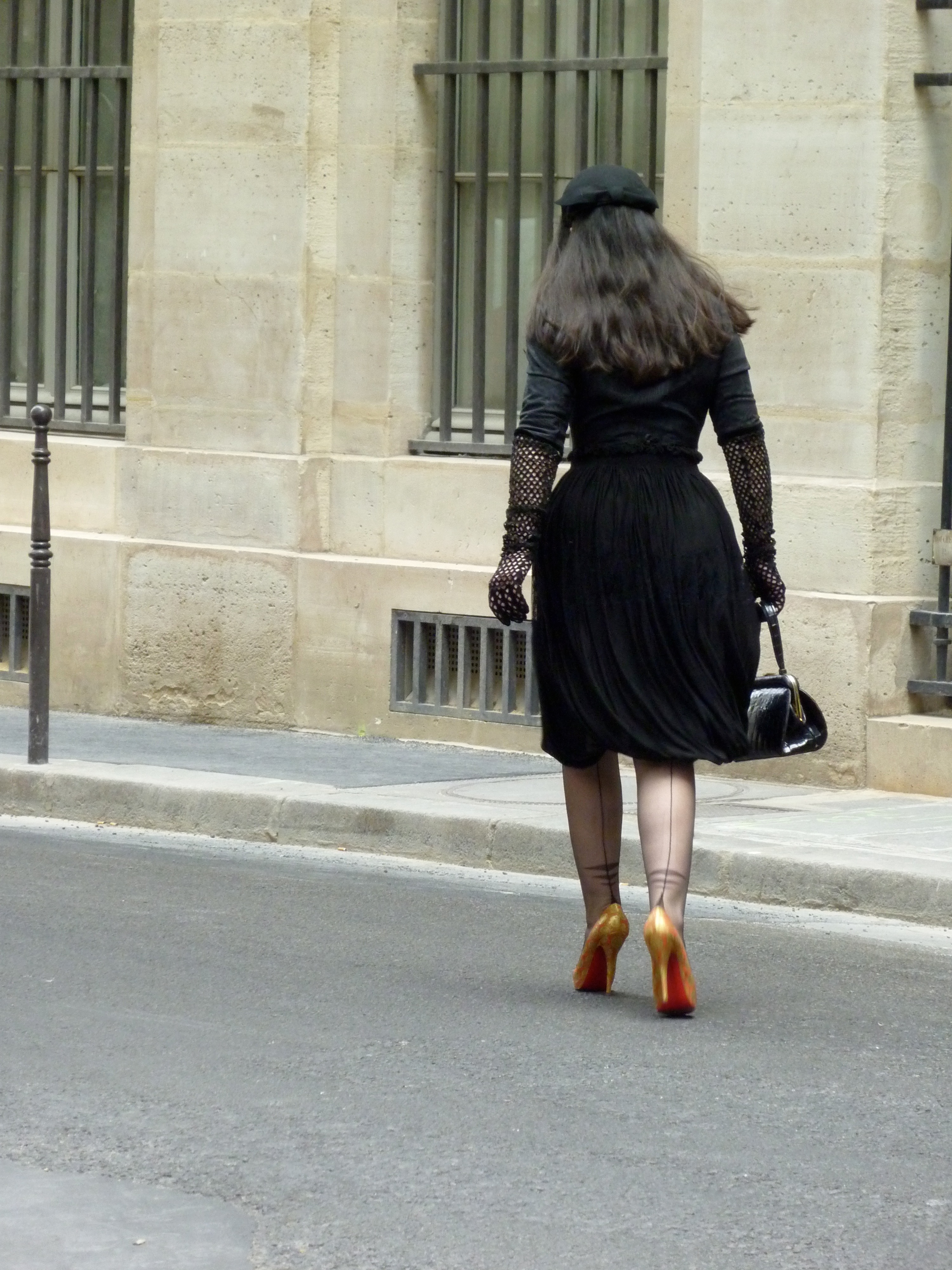
I also saw a little black dress on a young woman who passed me in the street, but it was not, I think, a look that Audrey would have recognized.
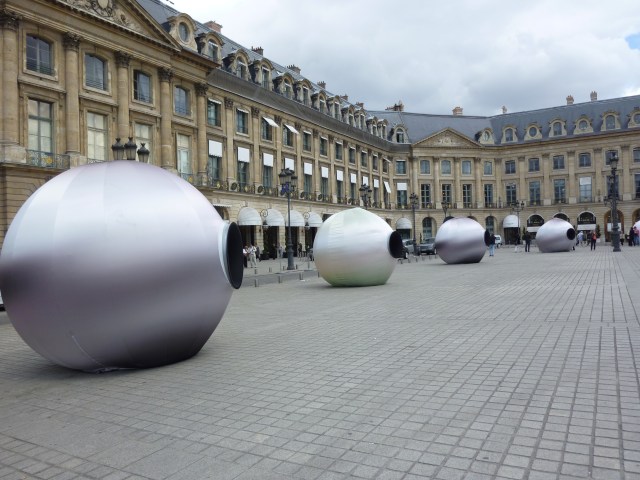
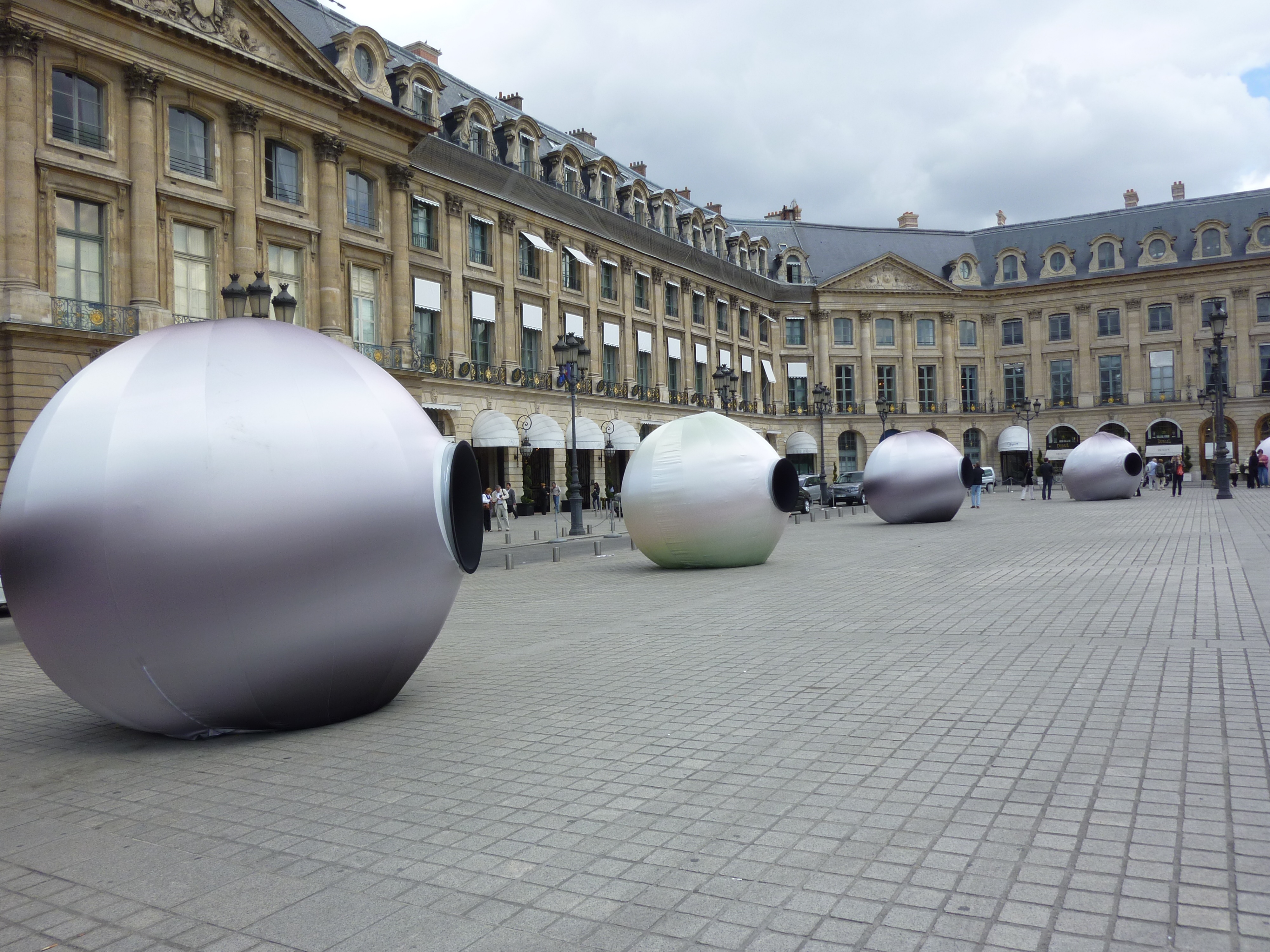
From the House of Givenchy, the route winds its way to the Ritz. The hotel figures prominently in Love in the Afternoon (a disastrous film, in my opinion: Gary Cooper was not aging well and Audrey’s character’s attraction to him is impossible to fathom). I prefer the Ritz in How to Steal a Million. Consider the scene in which Audrey drives Peter O’Toole there in his own Jaguar after she has accidentally shot him in the arm. She is very fetching in a short nightie, raincoat, and gumboots. And he is, well, Peter O’Toole, impeccably attired. Audrey’s attraction to him is perfectly understandable. The day I passed by, one of the jewellers in the Place Vendôme had a promotion for pearls, and there were huge pearly spheres containing tiny displays arrayed around the square in front of the Ritz.
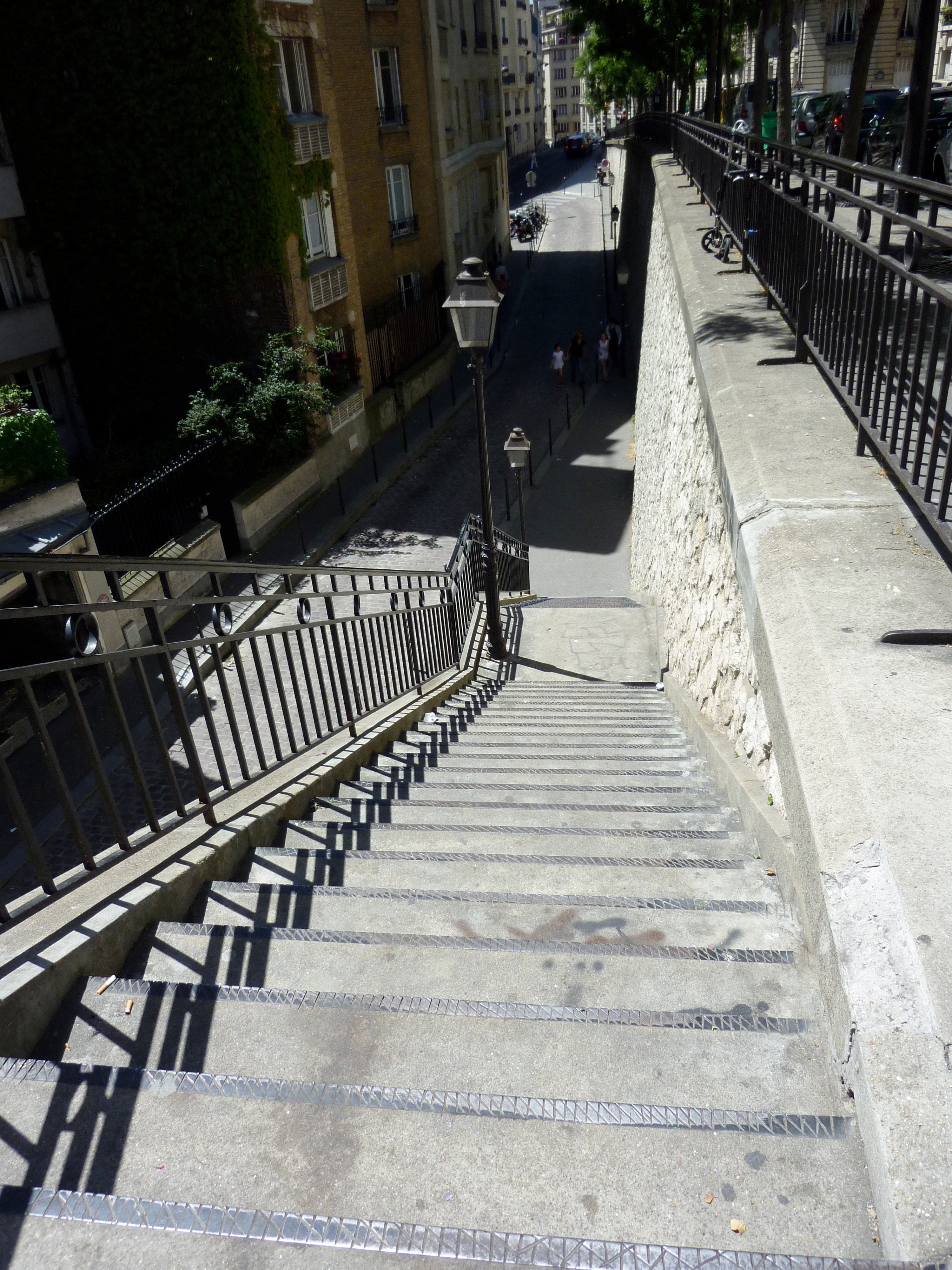
The walk ends at the Palais Royal, the site of the climactic scene in Charade. I cannot decide between Charade and How to Steal a Million as my favourite Audrey-Hepburn-in-Paris film. When I turned the route back to front, I decided it would be best to approach this location from the northwest corner near the Théâtre du Palais Royal, through an archway and down a flight of steps. I’d never explored this corner behind the Palais before.
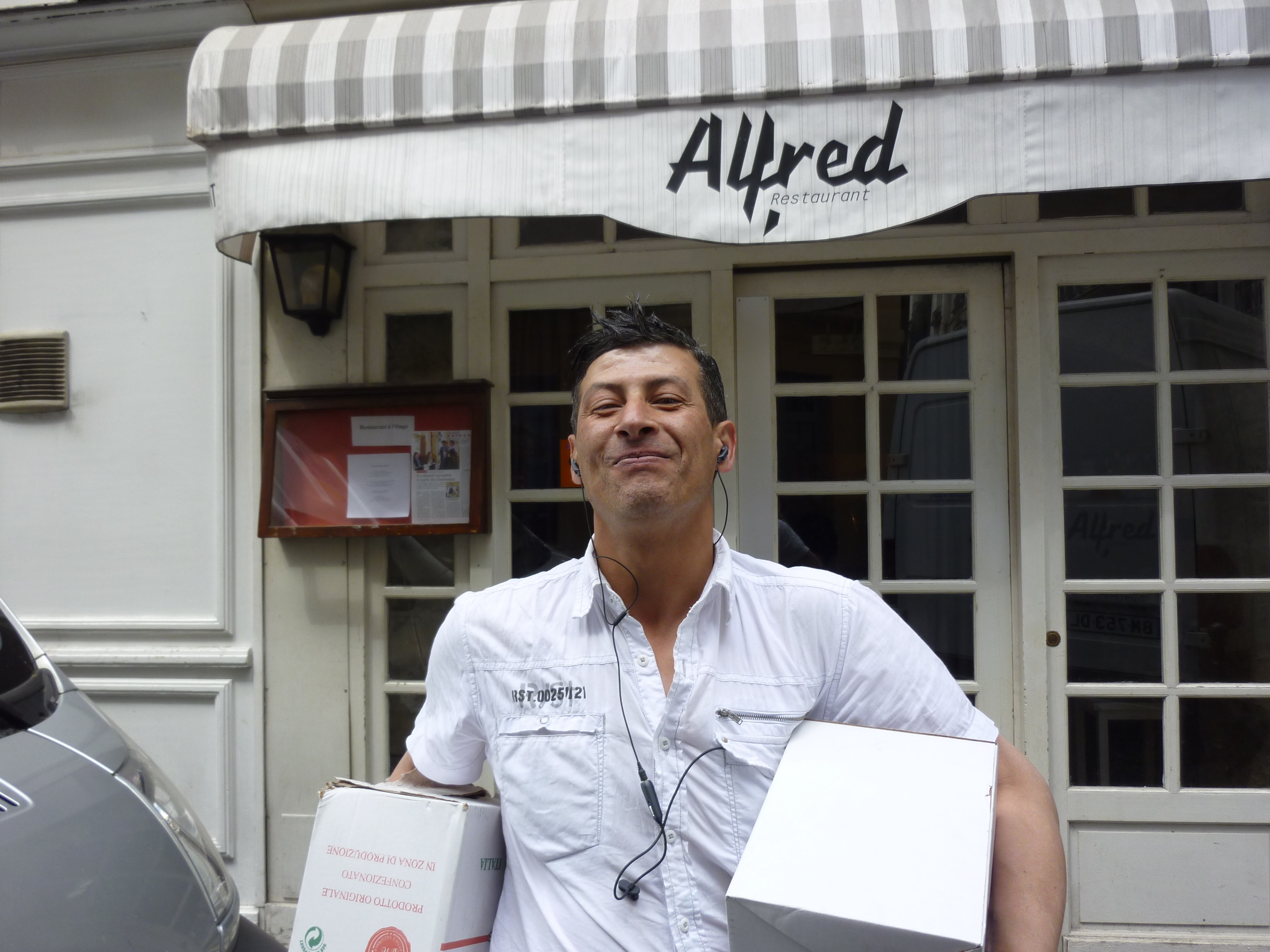
I was busy taking notes and photos, when I realized I was being watched. A man was unloading supplies from a van, and when I spotted him, he smiled and said in French, “Aren’t you going to take my picture too?” So I did. Here he is.
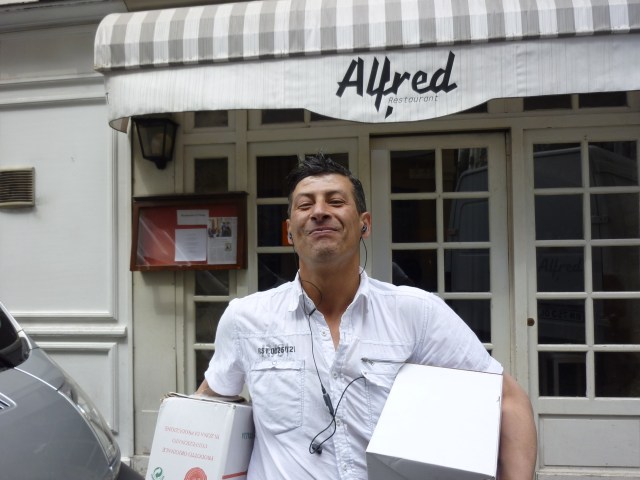
This is the thing about creating a walking tour. Suddenly you have a reason to engage with the people you meet. On the two days that I was walking the two routes, I told people, “I am creating a walking tour for an American website, can you tell me more about this or that?” People went out of their way to provide information, and I returned each time laden down with brochures and suggestions of all kinds.
Creating the final versions was an exercise in extreme editing. People walking through Paris want to know what they are looking at, but they want to spend more time looking than reading, so I had to boil down all the information I had collected into a dense script that doesn’t get in the way of someone else’s exploration of the city. As for the maps, I will spare you the details. It took about two months of experiments before I figured out the best method.
I had no idea that creating walking tours would be so complicated. But I enjoyed every step of the journey. I also have a new respect for others who have created walking tours, and a new appreciation of the city. I’d like to do some more. Any suggestions?
Text and photographs by Philippa Campsie




































 Parisian Fields